
Video streaming in places once thought impossible.
VAST™ is built for contested, bandwidth-starved environments where video still has to move in real time. It delivers high-quality imagery over unstable links and constrained networks, keeping operators connected when it matters most. Deploy it as software on existing hardware, on compact field-ready appliances, or embed it directly into drones, sensors, radios, and other edge devices.
VAST™ continuously senses link conditions and reshapes video streams on the fly, so data keeps flowing even as bandwidth drops or networks degrade. In mission-focused military operations, that responsiveness turns into faster, more accurate visual intelligence - a real operational advantage.
VAST™ has been proven on some of the world’s most constrained networks, including High-Throughput Satellite, MANET radios, UHF TACSAT, and even HF radios, where traditional encoders simply fail to operate. VAST™ doesn’t just survive in these conditions - it’s designed for them.
Stream HD video on a device as small as a Nvidia Jetson Nano or Raspberry Pi5.
Compress video up to 35% more efficiently than HEVC, and image data as much as 5,000:1 without losing critical detail.
Maintain clarity from 8K all the way to ~10-kbps streams (scene / profile dependent).
Runs on any x86 or ARM architecture.
Hardware
Our proprietary appliances purpose-built for demanding environments.
These compact, rugged, low-power units are designed specifically to host VAST™ at the edge, enabling reliable real-time video encoding wherever needed.
Tactical
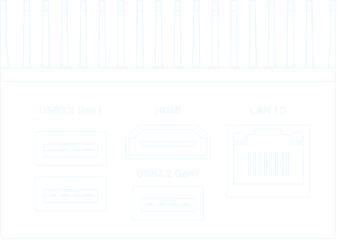
A rugged, field-ready video encoder built for harsh, mobile, and unpredictable conditions. Wear it, mount it, or carry it, VAST™ Tactical goes wherever the mission goes.
Key Features
- Ruggedized for impact, dust, and weather
- Low-SWaP: small, light, power-efficient
- Field-flexible: wear, mount, or pack
Air

Installed on unmanned devices - such as drones, aircraft and vehicles – delivering real-time video encoding, even in severe bandwidth constraints.
Key Features
- Built for embedded integration
- Fits manned and unmanned platforms
- Adaptable across missions and payloads
Software
VAST™ installs on your existing field hardware - upgrading your stack with real-time, resilient video when it matters most.
OS

Our standalone software-based video encoder works over any network, regardless of bandwidth.
Key Features
- Network-agnostic: from fiber to SATCOM and everything in between
- Drops into most existing hardware stacks with minimal integration effort
Vue
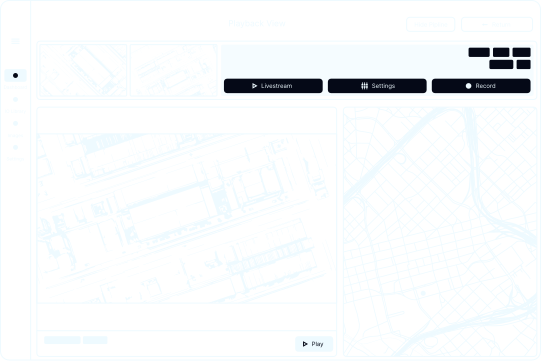
Our intuitive platform for enhanced video capture, recording, playback and storage.
Key Features
- Integrated AV1 player for high-efficiency playback
- Supports recording, snapshots, and instant replay
- Simple tools to set up and manage multiple streams
Features & Benefits

Real-time video at the edge
Stream video in real-time with no image transfers needed, with full metadata such as KLV delivered alongside.

Works on your existing hardware
A modular video encoder that works on a range of devices (including our VAST™ hardware). It can even run on satellite modems not originally built for video or encoding.

Direct Streaming
Streams video without the need for a video management system or a server, reducing complexity and latency.

Built on open standards
Uses established, trusted formats like AV1 and SRT, ensuring interoperability across systems.

Clean video, even when compressed
Delivers clean, stable output with no distortion and tearing, thanks to advanced AV1 compression.

Simple, operator-friendly controls
A straightforward UI for creating, storing, managing and sharing video presets and workflows. No training needed.

Extreme image compression
Can compress image files as much as 5,000 to 1 compression ratio.

Multiple concurrent streams
Handles several live video feeds at once, using intelligent optimization to maintain quality across links.

Proven in real operations
Already proven in field, including Iridium’s Certus® 100 network, Inmarsat’s L-TAC service and laser network, US Department of War (DoW) TACSAT network and HF Radios.

Ready for the next generation
A future version of VAST™ will run on the Snapdragon 8 Gen2 SOM, expanding edge deployment as new carrier boards arrive.
Use cases
Discover how VAST™ is currently used in mission-critical environments

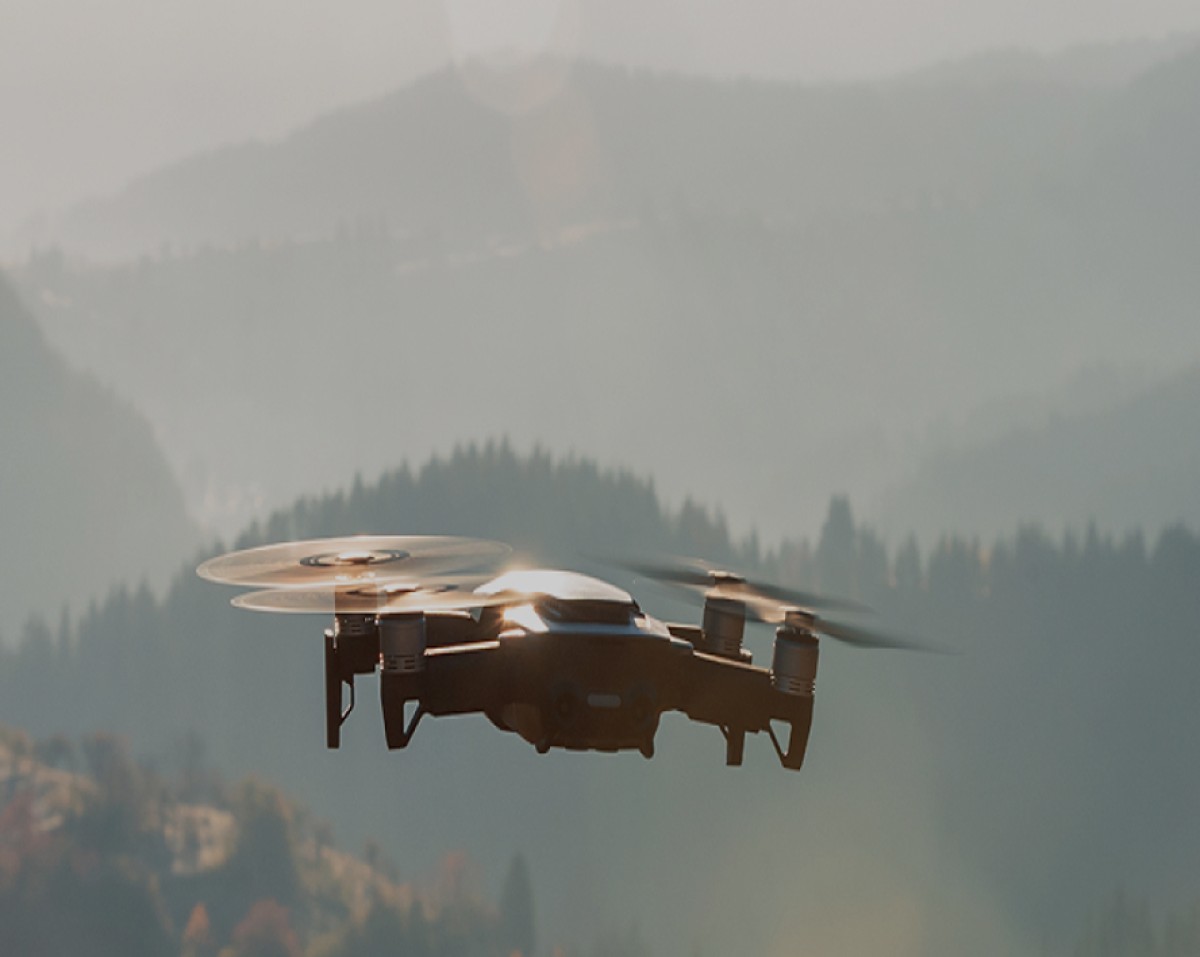
Enhancing UAS/DRONE Operations
The problem
Small UAS, drones, and modern sensors have become essential for gathering real-time visual intelligence without putting personnel at risk. In contested environments, however, their effectiveness has dropped sharply. Adversaries have jammed, interfered with, or monitored signals, forcing these platforms onto low-signature links that carry only very limited data. Smaller drones also face strict size, weight, and power limits, which means they cannot carry heavy or power-intensive video systems. As a result, they have often collected valuable visual intelligence but have been unable to send it back reliably.
The VAST™ solution
VAST™ has solved both challenges. Its highly efficient compression has made high-quality video small enough to travel over the limited, low-signature links used in contested environments. Because VAST™ runs on very low-power hardware, it has been embedded directly into small drones and sensor payloads without affecting their flight time or range. This has allowed even the smallest platforms to return clear, real-time imagery on secure links that traditional encoders have been unable to use.
The operational advantage
With VAST™, small UAS have continued transmitting reliable visual intelligence despite jamming, interference, and bandwidth pressure. Operators have maintained situational awareness, commanders have received the imagery they need, and teams have kept a clear picture of the battlefield, even when relying on lightweight platforms in the most challenging environments.
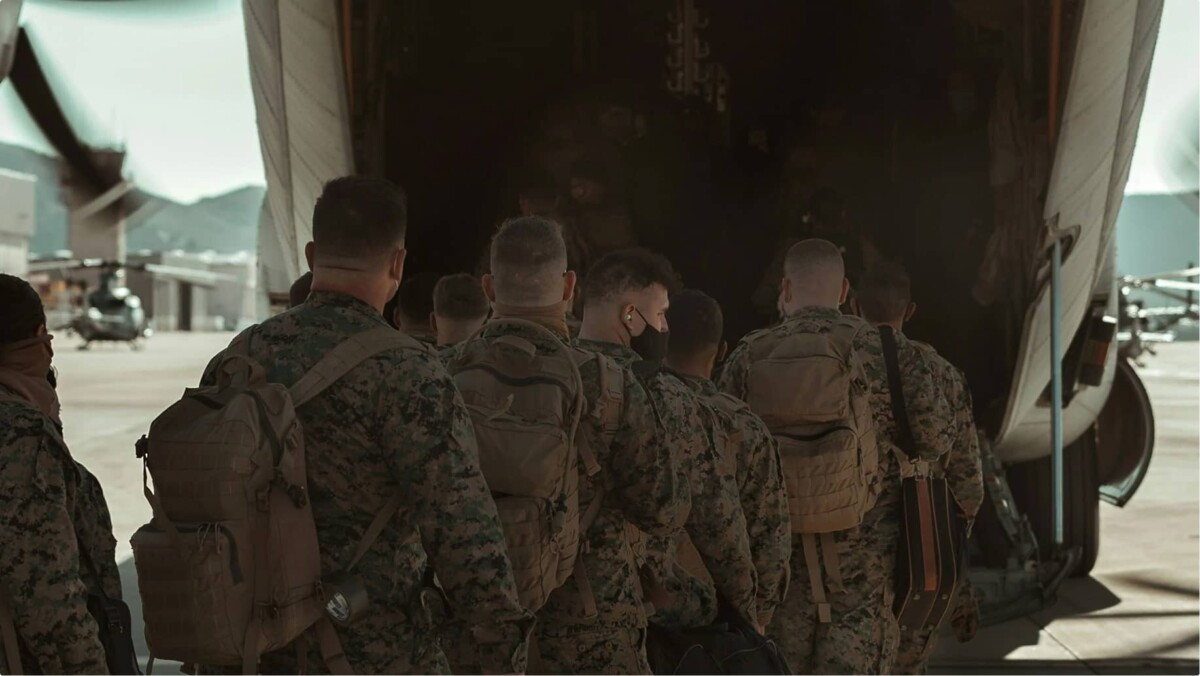
Delivering real-time video over tactical networks
The problem
Modern military forces have faced a major challenge in accessing real-time video and imagery in contested tactical environments. Adversaries have jammed, interfered with, and monitored communications, pushing units onto Low Probability of Intercept/Detection links that allow only very limited data.
The VAST™ solution
At the same time, surveillance sensors, UAVs, and AI-enabled C4ISR systems have depended more than ever on high-quality visual feeds. Many units have collected more visual intelligence than their networks could move, which has created dangerous gaps in awareness during critical moments.
The operational advantage
With VAST™, commanders have continued receiving the visual picture they rely on, AI systems have remained supplied with the data they need, and dispersed teams have maintained situational awareness despite jamming or electromagnetic pressure. In practice, VAST™ has helped forces continue to see, decide, and act even when the communications environment has been working against them.
Video-Over-HF and Legacy Tactical Networks
The problem
Many military radio and satellite systems - such as HF radio, UHF TACSAT, L-TAC, and MUOS - were built primarily for voice and small data messages. Their extremely limited bandwidth meant streaming video was never a functional option. These networks remained reliable and widely deployed, but they could not carry the visual intelligence modern forces increasingly needed. Units often had the right communications equipment for the mission, but not the ability to share real-time imagery through it.
The VAST™ solution
VAST™ has enabled high-quality video to move across these legacy links by compressing it to a size that fits within their narrow bandwidth. Forces have streamed live imagery over HF and other constrained channels without upgrading hardware or replacing fielded systems. VAST™ has run on lightweight, low-power devices already in service, allowing units to transmit drone feeds and sensor video through the radios they were already carrying.
The operational advantage
Teams have been able to share real-time visual intelligence using the same communication equipment they rely on every day. Recon and patrol units have sent back video without adding extra weight, power requirements, or training. Commanders have gained clearer visibility on situations where previously only voice or text updates were possible. In practice, VAST™ has extended the life and capability of existing communication networks and opened new operational possibilities on links once limited to the most basic data.